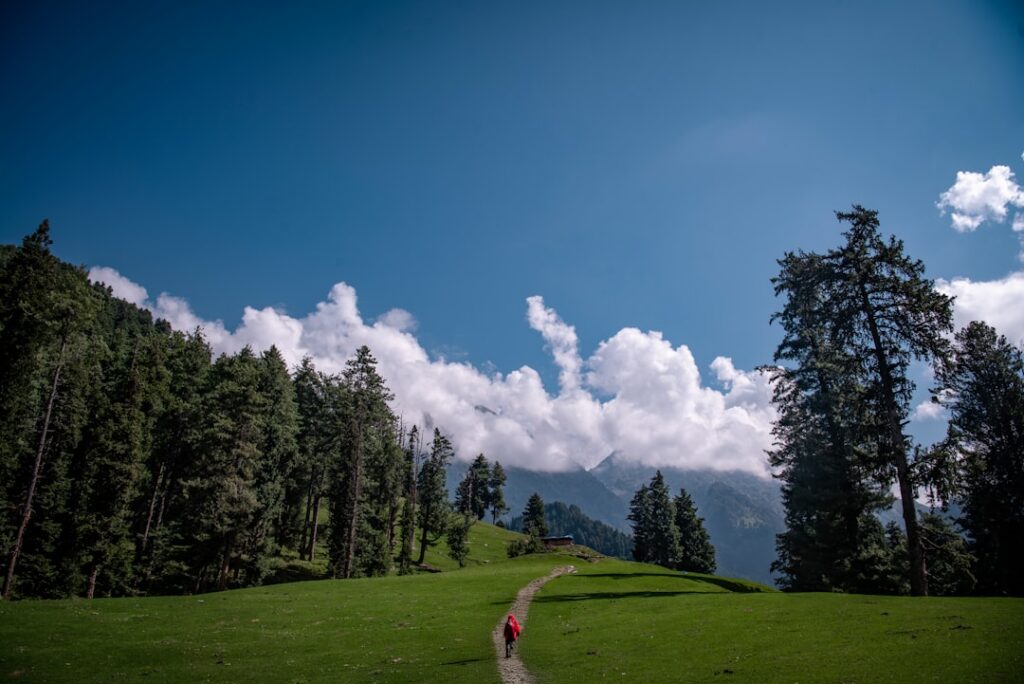
Uganda is one of Africa’s most extraordinary safari destinations, home to mountain gorillas in Bwindi Impenetrable Forest, tree-climbing lions in Queen Elizabeth National Park, and abundant wildlife along the Nile in Murchison Falls. But with world-class wildlife experiences comes a serious health consideration: malaria. Uganda has one of the highest malaria transmission rates in the world, and every traveler heading there needs a solid prevention plan.
If you’re planning a Uganda trip — especially a multi-day safari — you’ll want an antimalarial that’s effective, convenient, and easy to stick with in the bush. That’s where Arakoda (tafenoquine) stands out. With just one pill per week, Arakoda offers powerful protection without the hassle of daily dosing. In this guide, we’ll cover Uganda’s malaria landscape, the destinations where risk is highest, and why Arakoda may be the best antimalarial choice for your safari adventure.
How Serious Is Malaria in Uganda?
Malaria is the leading cause of illness and death in Uganda, accounting for roughly 30–40% of all outpatient visits at health facilities across the country. According to the World Health Organization, Uganda consistently ranks among the top five countries globally for malaria burden, with an estimated 12–13 million cases annually.
The dominant malaria parasite in Uganda is Plasmodium falciparum — the most dangerous species, responsible for the vast majority of severe malaria cases and malaria-related deaths worldwide. Transmission occurs year-round in most parts of the country, carried by Anopheles mosquitoes that are most active between dusk and dawn.
For travelers, the risk is real. The CDC classifies all of Uganda as a high malaria transmission area and recommends that all travelers take antimalarial prophylaxis, regardless of the time of year or itinerary. Even short trips carry meaningful risk — tourists do contract malaria, and the consequences of P. falciparum infection can be severe if untreated.
Uganda’s Top Safari Destinations and Malaria Risk
Uganda’s most popular tourism regions are all located in areas with significant malaria transmission. Understanding the risk at each destination helps you prepare appropriately.
Bwindi Impenetrable National Park
Bwindi is Uganda’s crown jewel for gorilla trekking and sits at elevations between 1,160 and 2,607 meters in southwestern Uganda. While higher altitudes generally reduce mosquito activity, malaria transmission still occurs here — particularly in the lower-elevation areas surrounding the park and in nearby towns like Buhoma and Ruhija. Multi-day gorilla trekking permits often require overnight stays at lodges near the forest edge, where exposure to mosquitoes at dusk and dawn is common.
Queen Elizabeth National Park
Stretching across the equator in western Uganda, Queen Elizabeth National Park encompasses savanna, wetlands, and crater lakes — all prime mosquito habitats. The Kazinga Channel area, one of the park’s main safari zones, is particularly mosquito-dense due to standing water. Game drives here often extend into early morning and late evening hours, increasing exposure during peak mosquito activity.
Murchison Falls National Park
Uganda’s largest national park lies in the low-altitude Nile River valley in the northwest. The combination of low elevation, the Nile’s floodplains, and a hot, humid climate makes Murchison Falls one of the highest-risk areas for malaria in the country. Boat safaris on the Nile, while unforgettable, put travelers near the water’s edge during peak biting hours.
Kibale Forest National Park
Known for chimpanzee tracking, Kibale sits in western Uganda at moderate elevation surrounded by tropical forest and tea plantations. The forest environment supports dense mosquito populations, and guided chimpanzee treks through humid forest create ample exposure opportunities.
Lake Mburo National Park
This compact park in central-western Uganda features open savanna dotted with lakes and swamps. The wetland habitat is ideal for mosquito breeding, and walking safaris — a popular activity here — bring travelers directly into contact with high-risk terrain.
Peak Malaria Seasons in Uganda
Uganda experiences two rainy seasons that correspond to peak malaria transmission:
- March to May — the long rains, particularly heavy in the south and west
- September to November — the short rains, which can be intense in the north and east
During and immediately following these rainy periods, standing water multiplies mosquito breeding sites and malaria cases spike. However, malaria transmission in Uganda never truly drops to low levels. Even during the drier months of June through August and December through February — which happen to be the most popular safari seasons — the risk remains substantial enough that the CDC recommends antimalarial prophylaxis year-round for all travelers.
What the CDC Recommends for Uganda Travelers
The CDC’s guidance for Uganda is unambiguous: all travelers should take a prescription antimalarial medication. The agency lists several approved options for malaria chemoprophylaxis in Uganda:
- Atovaquone-proguanil (Malarone) — daily dosing, starting 1–2 days before travel
- Doxycycline — daily dosing, starting 1–2 days before travel
- Mefloquine — weekly dosing, starting 2+ weeks before travel
- Tafenoquine (Arakoda) — weekly dosing, starting 3 days before travel
All of these are effective against P. falciparum, the species responsible for nearly all malaria in Uganda. The CDC also recommends personal protection measures including EPA-registered insect repellents containing DEET, permethrin-treated clothing, and sleeping under insecticide-treated bed nets.
The choice of antimalarial often comes down to convenience, side effects, and how well it fits your travel plans. For safari travelers spending a week or more in the Ugandan bush, the once-weekly convenience of Arakoda is a significant advantage — and that’s what we’ll explore next.
Why Arakoda (Tafenoquine) Is a Great Fit for Safari Travelers
Arakoda (tafenoquine) was approved by the FDA in 2018 as the first new antimalarial prophylaxis drug in nearly two decades. It belongs to the 8-aminoquinoline class of drugs and works by targeting the malaria parasite at multiple stages of its life cycle, providing robust protection against P. falciparum and other Plasmodium species.
Here’s why Arakoda is particularly well-suited for a Uganda safari:
Once-Weekly Dosing
The most compelling advantage of Arakoda is its dosing schedule. You take one 200 mg tablet per week — compared to daily dosing with Malarone or doxycycline. For a typical 10- to 14-day Uganda safari, this means taking just two or three pills during your entire trip instead of 10 to 14.
When you’re waking before dawn for gorilla treks, spending long days on game drives, and falling into bed exhausted at safari lodges, remembering a daily pill is easy to forget. Missing a dose can compromise your protection. Weekly dosing dramatically simplifies adherence — one pill on the same day each week and you’re covered.
Short Lead Time Before Travel
Arakoda’s loading dose starts just 3 days before entering a malaria zone. You take one tablet per day for 3 days, then switch to once weekly while in the risk area. After leaving Uganda, you continue weekly dosing with a final dose one week after departure. Compare this to mefloquine, the other weekly option, which requires starting 2 or more weeks before travel — a meaningful difference for last-minute trip planners.
Simplified Post-Travel Dosing
After you leave Uganda, Arakoda requires just one additional weekly dose. Malarone requires 7 days of post-travel dosing, while doxycycline requires a full 28 days after returning home. For travelers who want to be done with their medication quickly after a trip, Arakoda’s short post-travel tail is a clear benefit.
Strong Efficacy
Clinical trials demonstrated that tafenoquine provides approximately 95% protective efficacy against P. falciparum malaria when taken as directed. This is comparable to the gold-standard protection offered by atovaquone-proguanil (Malarone) and superior to the real-world adherence rates often seen with daily medications.
Well-Tolerated Side Effect Profile
Common side effects of Arakoda include headache, dizziness, and gastrointestinal symptoms — generally mild and similar in frequency to those reported with other antimalarials. Unlike mefloquine, which has been associated with neuropsychiatric side effects in some users, tafenoquine’s side effect profile is generally considered more favorable. One important consideration: Arakoda is contraindicated in people with G6PD deficiency, a genetic enzyme disorder. A simple blood test is required before prescribing to confirm G6PD status.
Arakoda vs. Other Antimalarials: A Quick Comparison
If you’re weighing your options, here’s how Arakoda stacks up against the most commonly prescribed alternatives for Uganda:
| Feature | Arakoda (Tafenoquine) | Malarone (Atovaquone-Proguanil) | Doxycycline |
|---|---|---|---|
| Dosing frequency | Once weekly | Once daily | Once daily |
| Start before travel | 3 days | 1–2 days | 1–2 days |
| Continue after travel | 1 week | 7 days | 28 days |
| Key side effects | Headache, dizziness, GI symptoms | Nausea, headache, stomach pain | Sun sensitivity, GI upset, yeast infections |
| G6PD test required | Yes | No | No |
| Best for | Longer trips, forgetful travelers | Short trips, broad compatibility | Budget-conscious travelers |
For more on how antimalarials compare, read our guides on doxycycline vs. Malarone and Malarone vs. mefloquine. And if you’re still wondering whether you truly need antimalarials, our article on whether malaria pills are worth it for travel breaks down the pros and cons.
Beyond Medication: Additional Protection Tips for Uganda
Antimalarial medication is your most important line of defense, but layering additional protective measures significantly reduces your risk. Here are practical steps for safari travelers in Uganda:
- Use DEET-based insect repellent — Apply a repellent containing 25–50% DEET to all exposed skin, especially at dusk and dawn. Reapply as directed.
- Wear long sleeves and pants — Light-colored, long-sleeved shirts and full-length trousers in the evening hours reduce exposed skin. Tuck pants into socks near camp.
- Treat clothing with permethrin — Permethrin spray or pre-treated clothing repels and kills mosquitoes on contact. Treat safari clothes, hats, and even bed nets before your trip.
- Sleep under treated bed nets — Most reputable safari lodges in Uganda provide insecticide-treated nets. Use them every night, even if the room has screens.
- Minimize dusk and dawn exposure — Anopheles mosquitoes are most active during twilight hours. When possible, be inside screened areas during these peak periods.
- Stay in well-screened accommodations — Choose lodges and camps with screened windows and doors. Avoid leaving doors open at night.
Frequently Asked Questions
Q: Do I really need malaria medication for Uganda?
Yes. The CDC recommends antimalarial prophylaxis for all travelers to Uganda, regardless of itinerary, trip length, or time of year. Uganda has year-round malaria transmission driven by P. falciparum, and the risk is present across all major tourist destinations. Skipping prophylaxis is not recommended.
Q: Is Arakoda safe for everyone?
Arakoda is safe for most adults, but it requires a G6PD blood test before prescribing. People with glucose-6-phosphate dehydrogenase (G6PD) deficiency cannot take tafenoquine, as it can cause hemolytic anemia in affected individuals. It is not recommended for pregnant or breastfeeding women, children under 18, or people with psychotic disorders. Your prescribing provider will confirm eligibility.
Q: Can I take Arakoda if I’m going gorilla trekking at high altitude?
Absolutely. Arakoda is effective at all elevations in Uganda. While mosquito density may be somewhat lower at the higher elevations around Bwindi (above 2,000 m), malaria transmission still occurs in surrounding areas, and the CDC makes no altitude-based exceptions for Uganda. Take your antimalarial regardless of elevation.
Q: How far in advance should I get my Arakoda prescription?
Ideally, schedule your consultation at least 1–2 weeks before departure to allow time for the G6PD test and to receive your medication. The loading dose starts 3 days before entering the malaria zone, so you need the prescription in hand by then.
Q: What if I forget to take my weekly dose?
Take the missed dose as soon as you remember, then resume your regular weekly schedule. Because Arakoda is dosed weekly, missing one dose leaves a larger gap in protection than missing a single daily pill of a daily regimen. Set a weekly phone alarm to stay on track.
Get Your Arakoda Prescription Through Runway Health
Getting a malaria prevention prescription doesn’t have to mean a time-consuming trip to a travel clinic. With Runway Health, you can complete a quick online consultation from home, get evaluated by a licensed provider, and have your medication — including Arakoda — delivered directly to your door.
Here’s how it works:
- Start your consultation — Answer a few questions about your travel plans, health history, and destination.
- Provider review — A licensed healthcare provider reviews your information and determines the best antimalarial for your trip, including whether Arakoda is right for you.
- Medication delivered — Your prescription is filled and shipped to you, ready before departure.
Whether you’re heading to Uganda for gorilla trekking, a Nile safari, or a broader East African itinerary, Runway Health makes it easy to travel protected. Don’t leave malaria prevention to chance — especially in one of the world’s highest-risk countries.
Get Your Malaria Prevention Prescription ➜