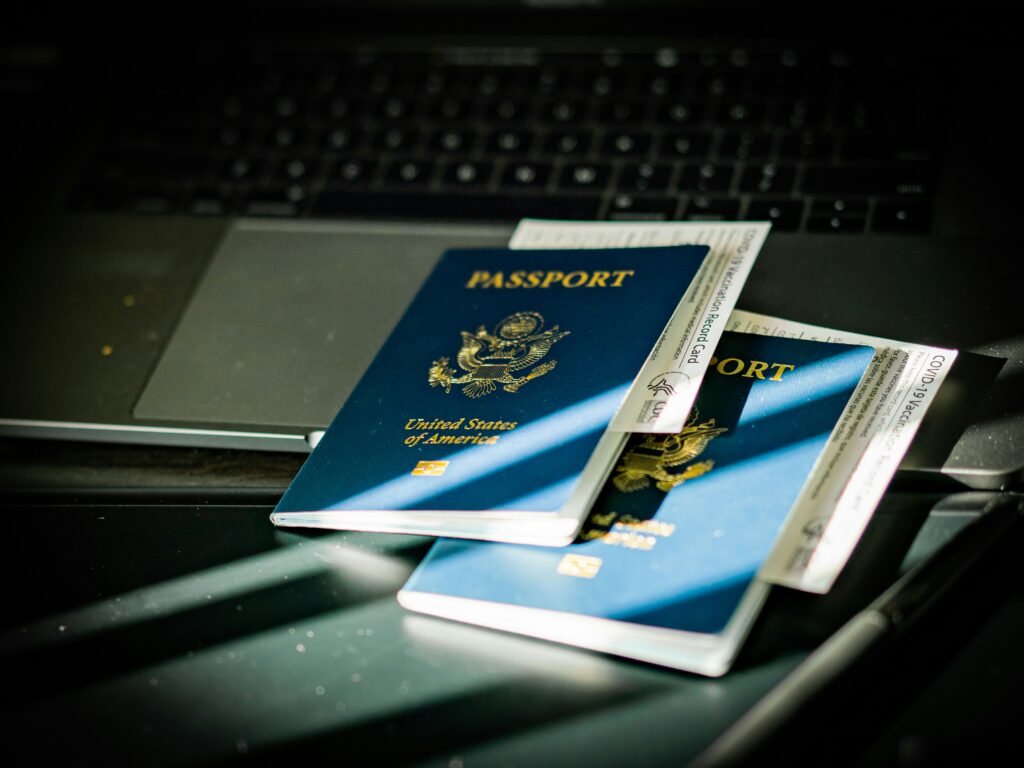
Many travelers think prescription logistics are simple as long as the medication is legal at home. In practice, border rules, documentation requirements, and controlled-substance policies can vary by country, and the trouble often starts only when a traveler is already in transit.
This guide explains how to think about prescription documentation, border questions, and medication packing before international travel.
Why prescription border planning matters
The CDC Yellow Book chapter on travelers with chronic illnesses recommends carrying medications in original containers, bringing a written medication list, and traveling with enough supply for the trip plus extra for delays. That advice becomes even more important when a medication is controlled, injectable, temperature-sensitive, or likely to trigger questions at customs.
What to carry with your prescriptions
- Original labeled containers whenever possible
- A written medication list with generic names and doses
- A brief clinician letter for higher-scrutiny medications or devices
- Enough supply for the trip plus extra
- Carry-on access for anything you cannot safely replace mid-trip
What travelers get wrong
The mistake is usually not forgetting the medicine. It is assuming that airport security, customs, and destination entry rules all work the same way. They do not.
- Do not assume a US prescription answers every border question
- Do not repackage medications loosely
- Do not put essential prescriptions in checked baggage
- Check destination rules early if the medication is restricted or closely regulated
Why the carry-on decision matters
The CDC’s travel health kit guidance and Runway Health’s carry-on medication guide point in the same direction: keep critical medications with you, with documentation that makes sense if someone asks questions in transit.
When to do extra checking
Extra checking is worth it when a medication is controlled, injectable, refrigerated, or tied to a medical device. The more unusual the medication setup looks to an airport or border official, the more useful clear documentation becomes.
What Happens in a Pre-Travel Health Consultation is useful if you want your medication plan reviewed before a complicated itinerary.
Frequently Asked Questions
Can I move pills into an unlabeled organizer?
That may be convenient for daily use, but original containers and documentation are safer when crossing borders with prescriptions.
What if my medication is uncommon or tightly regulated?
That is exactly when you should check destination rules and travel with a clear letter and medication list.
Should prescriptions go in checked luggage?
No. Essential prescriptions should stay in your carry-on in case bags are delayed or inspected separately.
Bottom line
Border problems usually come from poor documentation, not from the medication itself. If your prescriptions stay with you, remain clearly labeled, and are backed by a simple written plan, international travel gets much easier to manage.
Review Your Prescription Travel Plan Before You Go ➜