Essential Medications and Health Precautions for Vietnam Travel: Your Complete Packing Guide
Planning a trip to Vietnam involves more than just organizing your itinerary and packing clothes. Being prepared for potential health issues is crucial for ensuring a smooth and enjoyable experience in this beautiful Southeast Asian country. This comprehensive guide covers all the essential medications, vaccinations, and health precautions you’ll need for your journey to Vietnam.
Understanding Vietnam’s Health Landscape
Vietnam presents travelers with unique health considerations. The tropical climate creates ideal conditions for certain diseases uncommon in Western countries. Urban areas like Hanoi and Ho Chi Minh City experience significant air pollution, while rural adventures may expose you to different health risks. Medical facilities vary widely in quality, with excellent hospitals in major cities but limited options in remote areas.
This geographic and infrastructural diversity means travelers need to be particularly self-sufficient when it comes to managing minor health issues. Having the right medications on hand can make the difference between a small inconvenience and a trip-disrupting problem.
Recommended Vaccinations Before Traveling to Vietnam
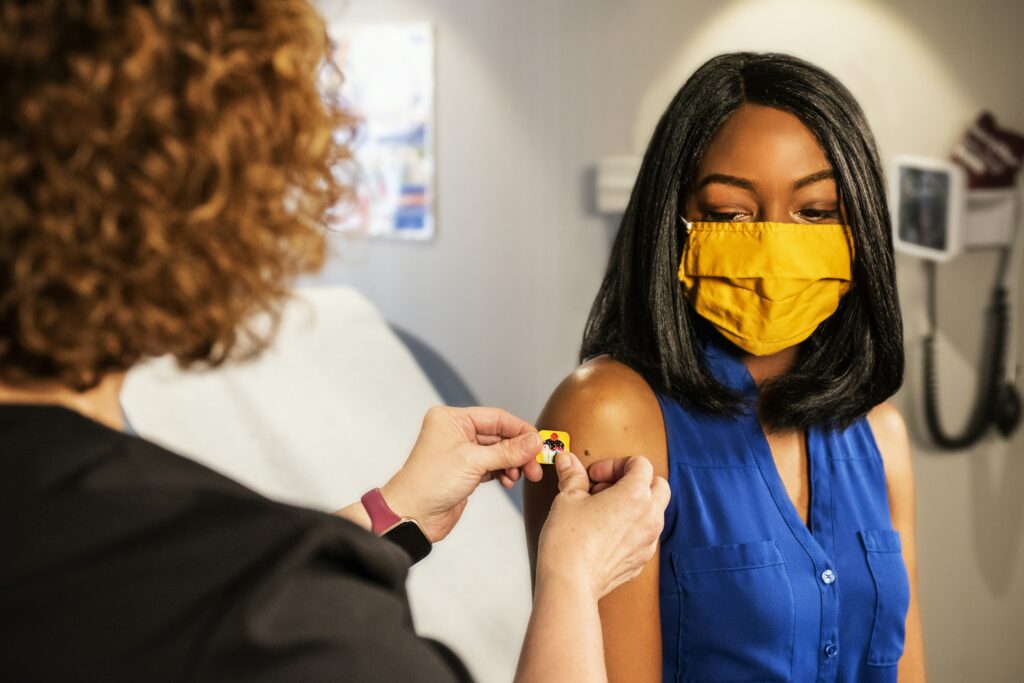
Consulting with a healthcare professional at least 8 weeks before your trip is essential to ensure you receive all necessary vaccinations. While requirements may vary based on your health history and specific travel plans, the following vaccinations are generally recommended for travelers to Vietnam:
- Routine vaccines: Ensure you’re up-to-date on standard immunizations including MMR (measles-mumps-rubella), diphtheria-tetanus-pertussis, chickenpox, polio, and your annual flu shot.
- Hepatitis A: Recommended for all travelers aged one year and older, as it can be contracted through contaminated food or water.
- Hepatitis B: Advised for travelers who might have sexual contact with new partners, receive tattoos or piercings, or undergo medical procedures.
- Typhoid: Particularly important for travelers who will visit smaller cities or rural areas, or those who enjoy street food adventures.
- Japanese Encephalitis: Recommended for travelers planning extended stays, particularly in rural areas during transmission season.
- Rabies: Consider this if you plan activities that might bring you into contact with animals, especially in remote areas where immediate medical care may be unavailable.
Essential Prescription Medications to Pack
If you take regular prescription medications, ensure you bring an adequate supply to last your entire trip, plus a buffer for unexpected delays. Vietnam’s pharmacies may not stock the same medications available in your home country, and quality can vary. Consider including these prescription items:
- Personal prescription medications: Bring enough for your entire trip plus extra in case of delays.
- Antibiotics for travelers’ diarrhea: Consult your doctor about prescribing antibiotics such as azithromycin or ciprofloxacin for severe diarrhea.
- Antimalarial medications: If traveling to rural areas, particularly near the borders with Laos and Cambodia, antimalarial pills may be necessary. Options include atovaquone/proguanil, doxycycline, or mefloquine.
- Motion sickness medication: Useful for winding bus journeys through mountainous regions or boat trips in Halong Bay.
- Altitude sickness medicine: Consider this if hiking in mountainous areas like Sapa.
Important: Always carry a doctor’s letter explaining your need for prescription medications, especially for controlled substances. Keep medications in their original, labeled containers to avoid issues with customs officials.
Over-the-Counter Medications for Common Travel Ailments
While Vietnam’s cities have pharmacies where you can purchase some medications, having these common over-the-counter remedies readily available will save you time and trouble:
- Pain relievers/fever reducers: Acetaminophen (Tylenol), ibuprofen (Advil, Motrin), or aspirin.
- Antidiarrheal medication: Loperamide (Imodium) for mild to moderate cases of traveler’s diarrhea.
- Oral rehydration salts: Essential for replacing electrolytes lost through diarrhea or excessive sweating in Vietnam’s heat.
- Antihistamines: For allergic reactions or to help with sleep (diphenhydramine/Benadryl).
- Decongestants: Helpful for colds or sinus issues that may develop during travel.
- Cough suppressants/expectorants: Air pollution in cities like Hanoi can trigger respiratory issues.
- Antacids or acid reducers: For indigestion that might result from trying new foods.
- Anti-motion sickness medication: Dimenhydrinate (Dramamine) or meclizine (Bonine) for long bus rides.
- Hydrocortisone cream: For insect bites and minor skin irritations.
- Antifungal cream: Vietnam’s humid climate can promote fungal infections, particularly athlete’s foot.
Medical Supplies for Your Vietnam Travel Kit
Beyond medications, certain medical supplies can be invaluable during your Vietnam adventure. Include these practical items to handle minor issues independently:
- Digital thermometer: To monitor fever if illness occurs.
- Bandages and adhesive tape: Various sizes for different wounds.
- Antiseptic wipes or solution: For cleaning wounds in areas where clean water might be limited.
- Blister treatment supplies: Moleskin or specialized blister bandages for walking-heavy itineraries.
- Tweezers and small scissors: For removing splinters or cutting bandages (pack in checked luggage).
- Elastic bandage: For sprains or strains from activities like trekking.
- Insect sting relief pads: Containing antihistamine or anti-inflammatory agents.
- Eye drops: For irritation from dust, pollution, or swimming.
- Spare glasses or contact lenses: With a copy of your prescription.
- Medical alert bracelet: If you have significant allergies or medical conditions.
Preventative Health Items for Vietnam
Vietnam’s tropical climate and unique environmental factors require specific preventative measures. These items will help you avoid common travel health issues before they start:
- Insect repellent: Products containing DEET (at least 20%), picaridin, or oil of lemon eucalyptus are effective against mosquitoes that can transmit dengue fever.
- Permethrin spray: For treating clothing and gear before travel, providing additional protection against insects.
- Bed net: Consider this for accommodations in rural areas where mosquitoes may be prevalent.
- Water purification tablets or portable filter: Tap water in Vietnam is not safe to drink; these provide backup options when bottled water is unavailable.
- Hand sanitizer: With at least 60% alcohol for times when soap and water aren’t accessible.
- Disinfectant wipes: For cleaning surfaces in accommodations or on transportation.
- Sunscreen: Minimum SPF 30 with broad-spectrum protection, even for cloudy days.
- Lip balm with SPF: Often forgotten but equally important for sun protection.
- Face masks: For protection against air pollution in cities or dust on rural roads.
Managing Specific Health Risks in Vietnam
Understanding the particular health challenges in Vietnam can help you prepare more effectively. Mosquito-borne diseases represent one of the most significant health concerns. Dengue fever, which has no vaccine, is present throughout Vietnam, with peak transmission during the rainy season (May to October). Protection against mosquitoes through repellents and appropriate clothing is your best defense.
Vietnam’s tropical climate also contributes to heat-related illnesses, particularly for travelers not accustomed to high humidity. Stay hydrated, seek shade during peak hours (10 am to 4 pm), and recognize early signs of heat exhaustion like excessive sweating, weakness, and dizziness. Air pollution in major cities can exacerbate respiratory conditions, so consider wearing masks in heavily polluted areas and keep respiratory medications accessible if you have asthma or other conditions.
Specialized Medication Considerations
Travelers with pre-existing health conditions require additional planning. If you have diabetes, pack adequate testing supplies, insulin, and treatments for hypoglycemia. Store insulin properly, considering that refrigeration may not always be available. For those with allergies, especially severe ones, bring multiple epinephrine auto-injectors if prescribed, and consider wearing a medical alert bracelet detailing your condition.
Women should pack personal hygiene supplies as preferred brands may be unavailable. If taking oral contraceptives or other hormone medications, ensure you have sufficient quantities for the entire trip. Those traveling with children should consult a pediatrician about appropriate medication dosages and bring medications in child-friendly formulations.
Important Documents for Health Emergencies
Proper documentation can be as important as the medications themselves, particularly in emergency situations. Prepare and carry these essential health documents:
- Travel insurance information: Policy details and emergency contact numbers. Ensure your policy covers medical evacuation, which can be extremely expensive if needed.
- Vaccination record: International Certificate of Vaccination or Prophylaxis (ICVP) if you’ve received vaccines like yellow fever.
- Doctor’s letter: Detailing your medical conditions and explaining the need for any prescription medications, particularly controlled substances.
- Prescription copies: Having physical and digital copies of all prescriptions, including the generic names of medications.
- Medical contacts: Information for your home physician and contacts for medical facilities in Vietnam. The U.S. Embassy maintains a list of English-speaking doctors and medical facilities.
- Emergency contacts: Both at home and in Vietnam, including your country’s embassy or consulate.
Navigating Vietnamese Pharmacies and Healthcare
Vietnamese pharmacies vary significantly in quality and selection. In major cities, particularly in tourist areas, you’ll find pharmacies with English-speaking staff and a decent selection of medications. However, counterfeit medications can be an issue, so use caution when purchasing medications locally. Stick to larger, established pharmacies whenever possible.
For medical care, international clinics in Hanoi and Ho Chi Minh City offer high-quality services with English-speaking staff but at premium prices. Public hospitals typically have lower costs but may have limited English communication and longer wait times. For any serious condition, consider seeking treatment at international facilities or, if necessary, medical evacuation to Thailand or Singapore, where medical care meets international standards.
Dealing with Food and Water Safety
Many travel health issues in Vietnam stem from food and waterborne illnesses. While Vietnamese cuisine is delicious, take precautions to minimize risks. Stick to bottled water with sealed caps for drinking and tooth brushing. For street food, choose busy stalls where high turnover ensures fresher food, and opt for thoroughly cooked items served hot. Raw vegetables and fruits that cannot be peeled should be avoided unless you’re confident they’ve been washed in purified water.
Pack medications specifically targeted at food-related illnesses, including antidiarrheal medications, antibiotics for travelers’ diarrhea (prescription), and oral rehydration salts. Remember the traveler’s adage: “Boil it, cook it, peel it, or forget it” to minimize your risk of foodborne illness while still enjoying Vietnam’s incredible culinary offerings.
Creating Your Customized Vietnam Medical Kit
Your final packing list should be tailored to your specific health needs, travel itinerary, and risk tolerance. A basic kit might fit in a waterproof container the size of a small toiletry bag, while those with medical conditions or traveling to remote areas might need more comprehensive supplies. Consider the accessibility of pharmacies and medical care in your planned destinations when deciding what to bring.
Organize medications by category and clearly label them. Note expiration dates and storage requirements, particularly for medications that need refrigeration or protection from heat. For longer trips, research whether your needed medications can legally be shipped to you in Vietnam if your supply runs low.
Final Preparation Steps Before Departure
In the weeks before your trip, schedule a travel health consultation with your doctor or a travel medicine specialist. This is particularly important if you have pre-existing conditions or will be visiting remote areas. Discuss your itinerary, planned activities, and personal health history to receive tailored advice about necessary medications and precautions.
Register with your country’s embassy or consulate in Vietnam through their online system. This helps them contact you in emergency situations and provides valuable resources. Research the location of suitable medical facilities along your route, particularly if traveling outside major cities. Finally, ensure your travel insurance adequately covers medical emergencies, including evacuation if necessary.
Conclusion: Balancing Preparation with Enjoyment
While this comprehensive guide may seem overwhelming, remember that most travelers to Vietnam experience few or no health problems. Proper preparation allows you to explore Vietnam’s stunning landscapes and vibrant culture with confidence, knowing you’re equipped to handle common travel health issues. Most importantly, having these medications and supplies readily available means minor health problems won’t derail your travel experiences.
Vietnam offers incredible experiences, from the limestone karsts of Halong Bay to the terraced rice fields of Sapa, from the historic streets of Hoi An to the bustling energy of Ho Chi Minh City. With the right health preparations, you can focus on creating lasting memories rather than searching for a pharmacy.
For personalized travel medication recommendations and prescription fulfillment before your Vietnam adventure, check out the Runway Health consultation service. Their travel health experts can help ensure you have exactly what you need for a healthy journey through Vietnam.