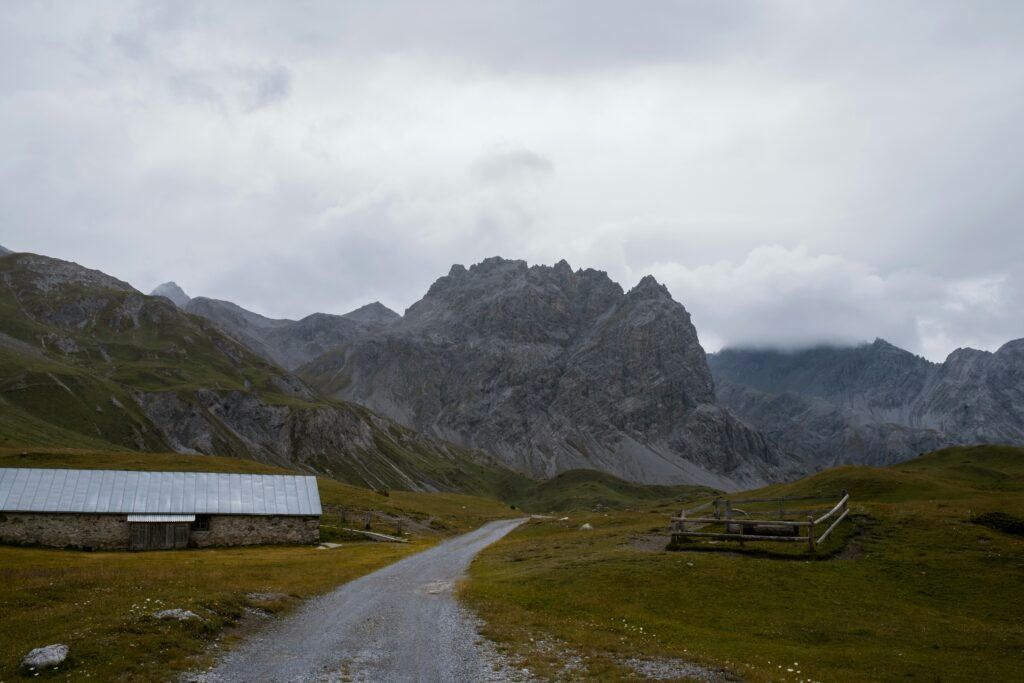
Remote itineraries change the math of travel health planning. In a major city, a mild problem can often be managed with easy pharmacy access and nearby clinics. On a remote route, the same problem can spiral because getting help takes time.
This guide is about how to plan for that gap before departure so you are not improvising in the middle of a long transfer, trek, safari, or island segment.
Why remote routes need a different plan
The CDC’s travel insurance guidance specifically calls out remote destinations as places where evacuation coverage may matter. That same logic applies to everyday medication planning too: the farther you are from care, the more important it is to manage common problems early and correctly.
You do not need to carry a giant kit. You do need to think more clearly about what happens if a problem starts on day two of a remote segment instead of in an airport hotel.
The most common planning gaps
- No hydration plan for vomiting or diarrhea
- No backup medication strategy for GI illness or motion sickness
- No written medication list for customs or replacement needs
- No clear stop rule for fever, bleeding, dehydration, or worsening symptoms
- No understanding of local care limits before arrival
What belongs in a remote-itinerary kit
The CDC’s travel health kits guidance emphasizes that kits should be personalized to itinerary, duration, local care availability, and how the kit will be carried.
- Oral rehydration support
- A practical diarrhea treatment plan
- A nausea or motion-sickness plan when relevant
- Prescription medications in original containers
- A compact first-aid layer for blisters, minor cuts, and routine issues
The Ultimate Guide to Preparing Your Travel Health Kit is a good companion if you are deciding what earns space in your bag.
How to think about medications before departure
The right medication plan depends on the actual route, not just the country name. A trip that includes remote lodges, boats, backcountry transport, or long drives should be planned differently than a trip with an urban base and same-day pharmacy access.
If GI illness is the most likely disruption, this travelers’ diarrhea antibiotic guide is worth reviewing before departure.
When to escalate faster than usual
Remote travel is not the place to wait too long on clearly worsening symptoms.
- Bloody diarrhea
- High fever
- Persistent vomiting
- Severe altitude symptoms if elevation is part of the route
- Marked dizziness, confusion, or reduced urine output
If altitude is part of your route, this altitude emergency guide is also worth having in mind before you leave.
Frequently Asked Questions
Should I assume I can buy medications locally?
Not on a remote itinerary. Even if pharmacies exist, availability, quality, and timing may not line up with what you need.
Do I need prescriptions in advance?
Often yes, especially if your route includes areas with limited clinic access or if losing one or two days to illness would materially disrupt the trip.
How much is enough to pack?
Enough to manage the likely problems safely until you can reach care. The goal is not excess. It is resilience.
Bottom line
Remote itineraries reward preparation. A small, thoughtful medication kit and a clearer escalation plan can make the difference between a manageable setback and a trip-ending problem.
Plan Your Remote Trip Medications ➜