Monsoon-season travel can be worth it for pricing, fewer crowds, and shoulder-season itineraries. It can also raise the stakes on food, water, flooding, and itinerary disruption, which all matter if your main goal is avoiding a trip derailed by GI illness.
CDC’s Yellow Book emphasizes that contaminated food and water remain a major source of travel-related illness. Seasonal rain does not automatically make a trip unsafe, but it can increase the importance of backup planning before you leave.
Why rainy-season trips deserve a GI plan
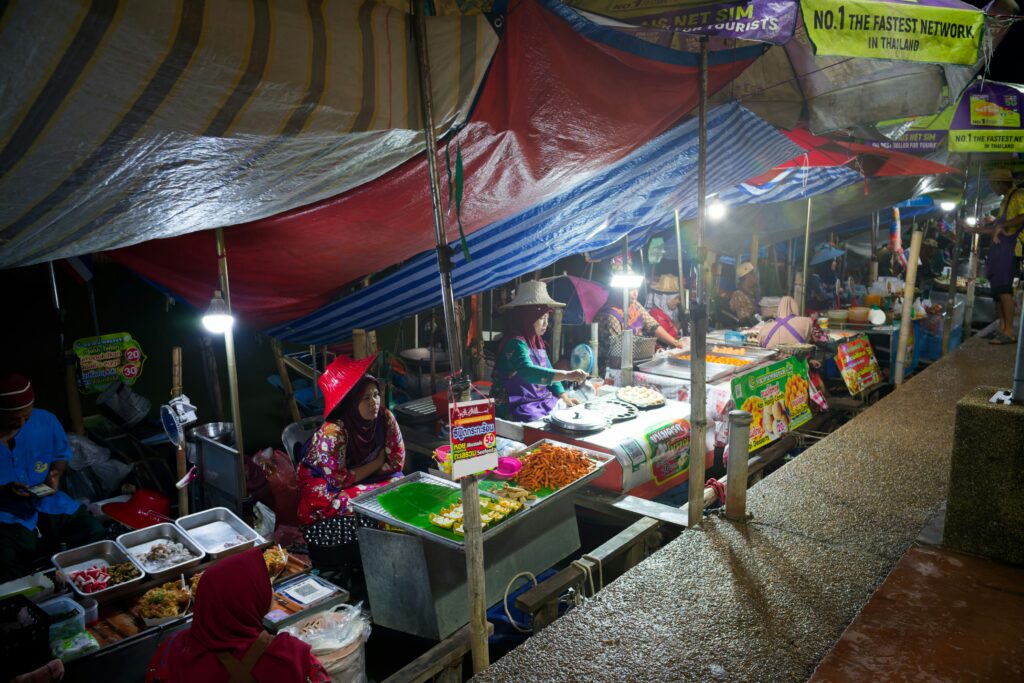
Heavy rain can strain sanitation systems, disrupt transport, and make travelers more likely to rely on convenience food, ice, or water sources they would normally avoid. Even when food rules look straightforward on paper, CDC notes that traveler’s diarrhea risk is driven heavily by hygiene practices and local sanitation infrastructure.
What to plan before departure
Build a safer hydration plan
Bring a realistic plan for drinking water, oral rehydration, and days when your route changes unexpectedly. If tap water safety is uncertain, CDC recommends using sealed bottled water or adequately disinfected water for drinking, brushing teeth, making ice, and preparing food.
Assume handwashing opportunities may be inconsistent
Soap-and-water handwashing matters most before eating and after bathroom use. If you will be moving through transit hubs or outdoor settings, carry sanitizer too, but do not treat it as a full substitute when your hands are visibly dirty.
Think beyond meals
Rainy-season GI risk is not only about restaurant choices. Ice, smoothies, salads, buffet items sitting out, and water exposure during brushing teeth or rinsing fruit can matter just as much.
Who should plan more carefully
- Travelers going on tight schedules with long transit days
- People heading to rural or mixed urban-rural itineraries
- Families with young children
- Travelers with pregnancy, immune compromise, or GI conditions
- Anyone who cannot afford to lose a day or two of travel to dehydration or urgent bathroom access
When an online travel clinic helps
Monsoon-season trips are a good case for planning before departure instead of reacting mid-trip. A consult can help you think through destination-specific vaccine review, what to carry for rehydration, when prescription treatment backup is appropriate, and what changes if your route includes malaria areas.
For related planning, see our guides on common travel illnesses to prepare for and typhoid vaccine options.
The bottom line
Monsoon season does not automatically mean cancel your trip. It does mean you should travel with a tighter hydration, food-and-water, and contingency plan. The earlier you make those decisions, the less likely GI illness is to take over the trip.