Cruise travel is convenient, but it also puts large numbers of people in close quarters, sharing dining areas, restrooms, hand-contact surfaces, and excursion schedules. That combination can make short GI outbreaks spread faster than travelers expect.
This guide explains what to pack, how to reduce the chance of trip-wide disruption, and when a stomach bug on a cruise is no longer something to simply push through.
Why cruise itineraries create a different GI risk profile
The CDC’s cruise ship travel guidance notes that close-contact settings can increase the spread of illnesses such as norovirus, influenza, and COVID-19. For GI illness specifically, the biggest issue is not only exposure. It is how quickly symptoms can spread across cabins, dining groups, and shared activity spaces.
Once vomiting or diarrhea starts, dehydration can also build quickly, especially if you are in the sun, drinking alcohol, or still trying to keep up with excursions.
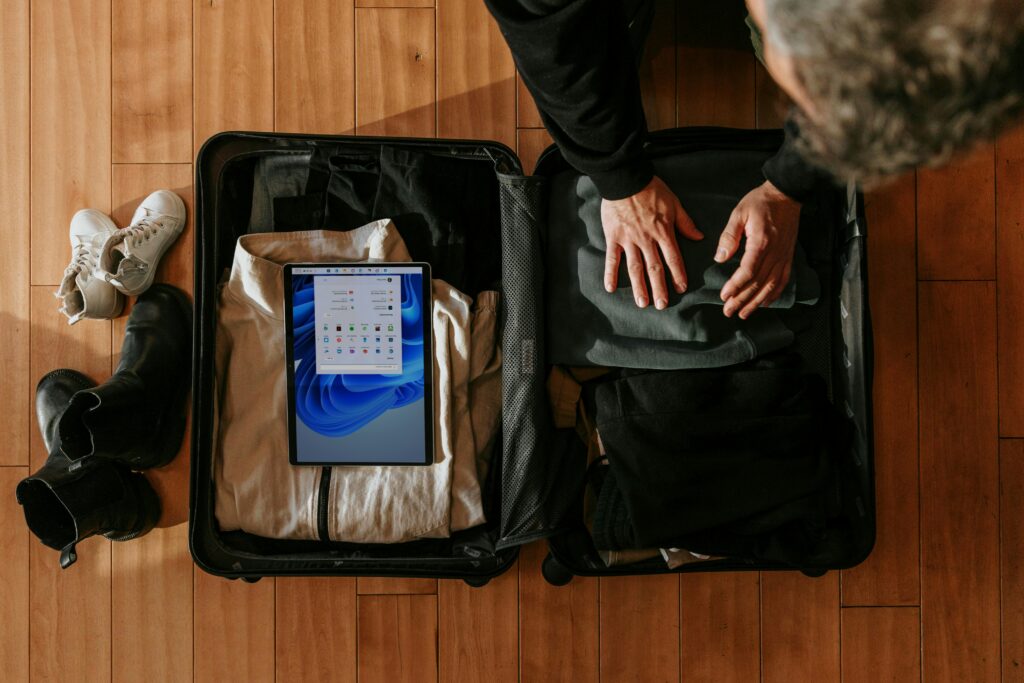
What to pack before you board
A focused cruise GI kit should be easy to access and simple to use when you feel bad.
- Oral rehydration packets rather than relying only on sports drinks
- A diarrhea symptom-control option when appropriate
- A thermometer if you want a better sense of when a GI illness may be more than mild
- Disinfecting supplies for your immediate cabin environment when feasible
- A small reserve of easy snacks in case you need to eat lightly
Runway Health’s travel health kit guide and travelers’ diarrhea antibiotic guide are useful starting points if you want a more complete medication strategy before departure.
How to reduce the chance of an onboard outbreak affecting you
CDC guidance consistently emphasizes handwashing with soap and water, especially around food and after bathroom use. That matters because some GI pathogens, including norovirus, spread efficiently through contaminated hands and surfaces.
- Wash hands with soap and water often, especially before eating
- Do not share cups, utensils, or partially eaten food
- Skip self-serve behavior if you feel unwell
- Stay alert to ship health notices if an illness cluster is reported
- Do not normalize repeated vomiting or diarrhea just because you are on vacation
What to do if symptoms start on board
Start with fluids early and simplify your day immediately. The biggest early mistake is pretending you can push through a GI illness because the itinerary is short or expensive.
If symptoms begin on day one or two, this early-trip illness guide is a useful companion read. The right move is often to slow down fast rather than wait until dehydration becomes the real problem.
When to seek medical evaluation
Most short GI illnesses improve with rest and hydration, but cruise travelers should get evaluated sooner if symptoms are severe or clearly worsening.
- Bloody diarrhea
- High fever
- Persistent vomiting
- Marked dizziness or very low urine output
- Symptoms not improving after 24 to 48 hours
Plan Your Travel Medications Before Departure ➜
Frequently Asked Questions
Are cruise ship stomach bugs usually serious?
Often they are self-limited, but they can still ruin a short trip and cause significant dehydration. The issue is less about panic and more about having a plan.
Is hand sanitizer enough?
It helps in some situations, but soap-and-water handwashing is especially important for GI illness prevention.
Should I bring GI medications even on a short cruise?
Usually yes. A short trip is exactly when a 24-hour illness can erase a large share of the experience.
Bottom line
Cruise travelers do not need to overpack, but they should prepare for the possibility of short GI illness and dehydration. A small, well-planned kit and a clear stop rule can prevent a mild problem from becoming the story of the trip.
If you want help deciding what to carry before your cruise, Runway Health can help you review travel medication options through an online consultation.