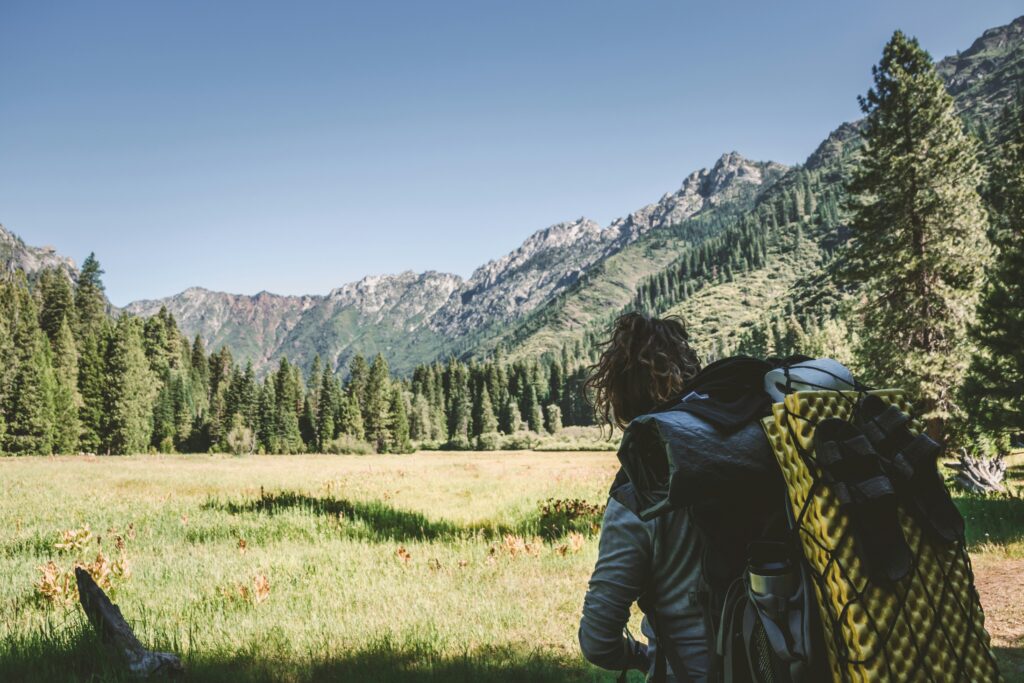
Adventure itineraries are often the most memorable trips people take, but they also combine several health risks in the same window. A traveler might go from long flights to food exposures, high-altitude trekking, unpredictable sleep, and remote logistics in just a few days.
This article is about planning for that stack of risk before you leave. Not every adventure traveler needs a huge medication list, but most benefit from a clearer strategy around GI illness, altitude, and when to escalate problems early.
Why adventure trips create a different planning problem
Adventure travel tends to compress stressors. You may be changing elevation quickly, spending long hours in transit, eating where options are limited, and moving in environments where care is not immediately convenient.
The CDC Yellow Book guidance on travelers’ diarrhea and the CDC guidance on high-altitude illness make the same practical point: planning matters most when the itinerary makes it hard to pause, rest, or find easy backup care.
The three issues that deserve the most attention
1. GI illness
Traveler’s diarrhea is still the most predictable travel-related illness. It is especially disruptive on hiking, safari, or multi-stop routes where bathroom access, hydration, and food choice can all be less predictable.
2. Altitude illness
The CDC notes that any unacclimatized traveler sleeping at or above 2,450 meters, or about 8,000 feet, is at some risk. Fast ascent and movement-heavy itineraries raise that risk further.
3. Infection and medication access
Adventure travelers often spend longer stretches away from large pharmacies or clinics. That is one reason it helps to line up prescriptions and decision rules before departure.
What a smart pre-trip plan looks like
- Know the highest-risk segment of the trip, not just the destination overall
- Separate convenience items from true essentials
- Have a hydration plan if diarrhea or vomiting starts
- Know your altitude strategy if abrupt ascent is part of the route
- Pack for remote days, not just airport-to-hotel travel
If altitude is part of your trip, When to Take Diamox and the core Altitude Sickness page are useful internal references before you finalize your plan.
When altitude prevention deserves extra attention
CDC guidance emphasizes gradual ascent whenever possible. Once above roughly 3,000 meters, or about 9,800 feet, sleeping-altitude increases should be conservative and include extra acclimatization days when feasible.
That is not always realistic on commercial adventure itineraries. If your route involves rapid gain, acetazolamide prophylaxis may be worth discussing before travel, particularly if you have had prior altitude issues or do not have much room to adjust the itinerary once the trip starts.
What to carry for GI backup
You do not need to carry an entire pharmacy, but GI illness can derail an adventure itinerary faster than most travelers expect. The most useful setup is usually focused and easy to use under stress.
- Oral rehydration support
- A symptom-control option for diarrhea
- A clear antibiotic plan when appropriate
- Simple food and water rules you can actually follow
- A threshold for seeking care if symptoms become severe
This travelers’ diarrhea antibiotic guide is a helpful companion if you are building your kit now.
Red flags adventure travelers should not try to push through
The biggest planning mistake is assuming toughness solves a medical problem. It does not. Adventure travelers should be especially cautious about pushing through worsening altitude symptoms, persistent vomiting, bloody diarrhea, or signs of severe dehydration.
This guide to altitude emergency signs is worth reviewing if your trip involves meaningful elevation.
Frequently Asked Questions
Do adventure travelers need more medications than regular tourists?
Not automatically. What they usually need is a more intentional plan because the consequences of getting sick in a remote or movement-heavy itinerary are higher.
How early should I sort this out?
Ideally a few weeks before departure, especially if altitude, standby antibiotics, or prescription nausea prevention might be involved.
What is the most common planning gap?
Many travelers think about gear and overlook recovery. A sick day in a city is inconvenient. A sick day on a trek, safari, or remote route can reshape the whole trip.
Bottom line
Adventure travel usually works best when you prepare for the likely problems, not every possible one. If your itinerary includes altitude, long movement days, or limited access to pharmacies, a pre-trip medication and escalation plan is worth the effort.
Runway Health can help you sort that plan out online before you go, so you leave with a kit that matches the trip you are actually taking.