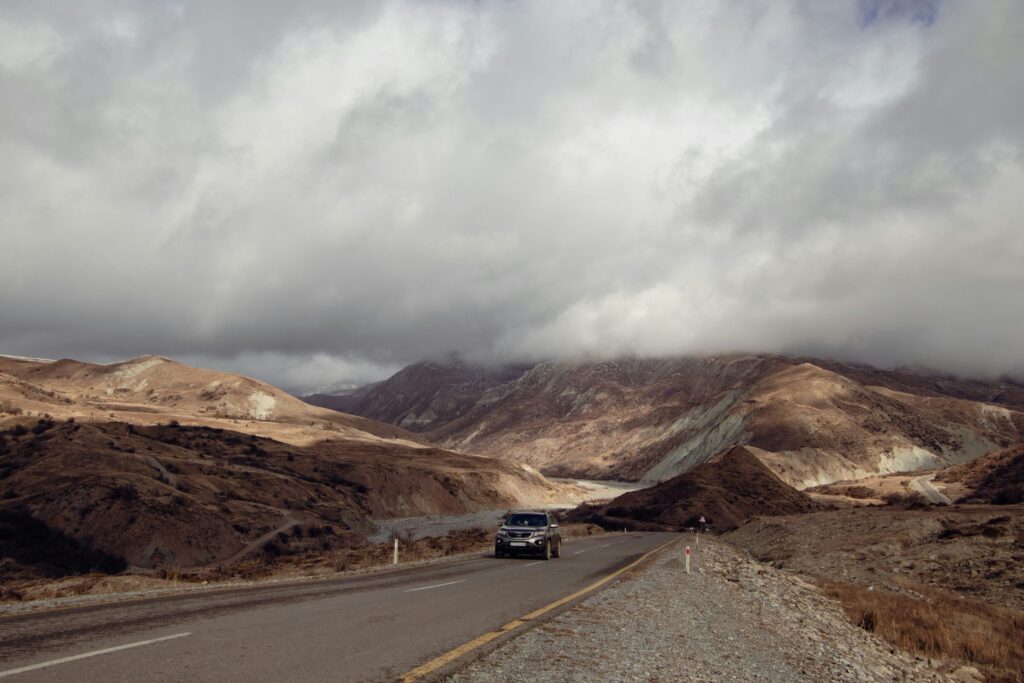
If your Kazakhstan itinerary includes long road transfers, overnight trains, regional flights, or boat time on lakes and inland waterways, motion sickness can turn a good trip into a miserable one. The good news is that motion sickness is highly predictable, which means you can usually plan around it before you leave.
This guide explains what to pack, when to use medication, and how to think about prevention if you are heading to Kazakhstan and want a smoother trip. It also covers when symptoms are a minor nuisance versus a reason to slow down and rethink the day.
Why motion sickness can catch travelers off guard
According to the CDC Yellow Book chapter on motion sickness, symptoms happen when your eyes, inner ear, and body send conflicting signals to the brain. That is why winding roads, rough air, boats, and even trying to read in a moving vehicle can trigger nausea, dizziness, or vomiting.
For Kazakhstan travelers, the issue is often not one dramatic transport segment. It is the accumulation of repeated movement days, especially if you are tired, dehydrated, or trying to push through a packed itinerary.
Common Kazakhstan travel scenarios that raise risk
- Long road days on uneven or winding routes
- Regional flights when you are already tired or under-hydrated
- Train travel if you try to read or work while moving
- Boat excursions in windy conditions
- Rapid activity changes when you go from transit straight into hiking or sightseeing
If you already know you get carsick, airsick, or seasick, assume your odds are higher and plan ahead rather than hoping this trip will be different.
What to pack before departure
A simple motion-sickness plan usually works better than improvising mid-trip. Runway Health’s motion sickness treatment page and related medication guidance can help you decide what belongs in your kit before departure.
- A prescription option if you have a history of moderate or severe symptoms
- A non-drowsy backup strategy for lighter travel days
- Electrolytes or oral rehydration support if vomiting tends to wipe you out
- Easy snacks so you are not traveling on a completely empty stomach
- A written plan for when to take medication before transit starts
Start Your Travel Consultation ➜
Medication timing matters more than most travelers think
Motion-sickness medication usually works best when you take it before symptoms ramp up, not after you are already nauseated. The Scopolamine vs Meclizine comparison is a useful starting point if you are deciding between a patch-based option and an oral medication.
As a rule, the right option depends on how long the travel day is, whether you need to stay sharp, and how consistently motion tends to trigger symptoms for you. If your Kazakhstan trip includes several consecutive movement-heavy days, it is worth sorting this out before departure instead of testing medications on the road.
Non-medication strategies that actually help
The CDC notes that prevention also depends on reducing sensory conflict. In practical terms, that means changing where you sit, what you look at, and what you try to do during transit.
- Face forward whenever possible
- Look at the horizon instead of your phone or a book
- Avoid heavy meals and excess alcohol before travel segments
- Keep air moving with a vent or open window when available
- Do not wait too long to hydrate after vomiting or repeated nausea
If you want a broader overview of triggers and recovery patterns, this explanation of what causes motion sickness is a good companion read.
When motion sickness becomes a bigger problem
Simple motion sickness should improve once the movement stops. If symptoms are prolonged, unusually severe, or paired with dehydration, high fever, one-sided weakness, severe headache, or confusion, stop assuming it is routine motion sickness and get evaluated.
This matters on longer Kazakhstan itineraries because it can be easy to blame every episode of nausea on transit. Sometimes the real issue is dehydration, infection, or another travel-related illness that needs a different response.
Frequently Asked Questions
Should I take motion-sickness medication for every long drive in Kazakhstan?
Not necessarily. If your symptoms are mild and manageable with seat choice, hydration, and pre-trip planning, you might not need medication every time. If you have a consistent history of vomiting or losing travel days, prophylactic medication is worth considering.
Is it better to wait and see if I feel sick?
Usually no. Motion-sickness medication tends to work better when taken before symptoms start. Waiting until you feel bad often means you are trying to catch up instead of preventing the problem.
What if I need to stay alert during transit?
That is exactly why it helps to choose a medication strategy in advance. Some travelers prioritize longer coverage, while others need an option with less sedation. The right answer depends on your itinerary and past response.
Bottom line
Kazakhstan can involve long, movement-heavy travel days, and motion sickness is one of the easier travel problems to prepare for if you think ahead. A clear medication plan, better timing, and a few simple transit habits can make a major difference.
If you want help deciding what to pack before your trip, Runway Health can help you review options through an online consultation and ship eligible prescription travel medications before you go.