Most food and water safety advice for travelers is technically correct but not very usable. “Be careful what you eat” sounds sensible until you are tired, in transit, and choosing between street food, hotel buffets, bottled drinks, and whatever is available during a long travel day.
This guide focuses on the rules that are actually worth remembering if you want to reduce your risk of traveler’s diarrhea without turning every meal into a stress test. The goal is practical risk reduction, not perfect control.
Why food and water habits matter
According to the CDC Yellow Book section on traveler’s diarrhea, contaminated food is the main source of exposure, and contaminated water is an important contributor as well. That means the highest-yield prevention strategy is not a complicated supplement routine. It is better judgment around what you eat, what you drink, and how food is handled.
The short answer is that heat, cleanliness, and fresh preparation usually matter more than whether a dish looks “local” or “touristy.” Many cases happen because food sits too long, hands are not washed properly, or drinks and produce are prepared with unsafe water.
The food rules worth following
Choose food that is cooked and served hot
Freshly cooked food that arrives hot is usually safer than food that has been sitting at room temperature. Buffets, pre-plated airport meals, and lukewarm trays create more uncertainty than food that is clearly made to order.
- Lower-risk choice: cooked food served steaming hot
- Higher-risk choice: food sitting out, especially rice, meat, sauces, and seafood
Be more skeptical of raw produce you did not peel yourself
Raw fruits and vegetables can be a problem when they are rinsed in unsafe water or handled by many people before serving. Fruit that you peel yourself is generally a safer bet than salads, cut fruit, or garnishes sitting out in open-air settings.
Pay attention to turnover, not just appearance
A busy stall or restaurant with high turnover can be safer than a polished-looking place where prepared food sits for hours. The question is not whether the setting looks upscale. It is whether the food is moving quickly and being handled in a way that limits contamination.
The water rules that matter most
Use sealed bottled water when local tap safety is uncertain
If you are in a destination where water safety is unclear, sealed bottled water is usually the most reliable default for drinking and brushing your teeth. The WHO diarrhoeal disease fact sheet also emphasizes safe drinking water and sanitation as key prevention measures.
Do not forget the hidden water exposures
Many travelers focus on glasses of water and forget about the indirect routes. Ice, diluted juices, smoothies, washed produce, and even toothbrush rinsing can matter if the local water supply is unreliable.
- Watch out for: ice of uncertain origin, fountain drinks, washed fruit, and uncooked sauces
- Lower-risk choices: sealed bottled drinks, hot tea or coffee, canned beverages, and peeled fruit
When street food is reasonable and when it is not
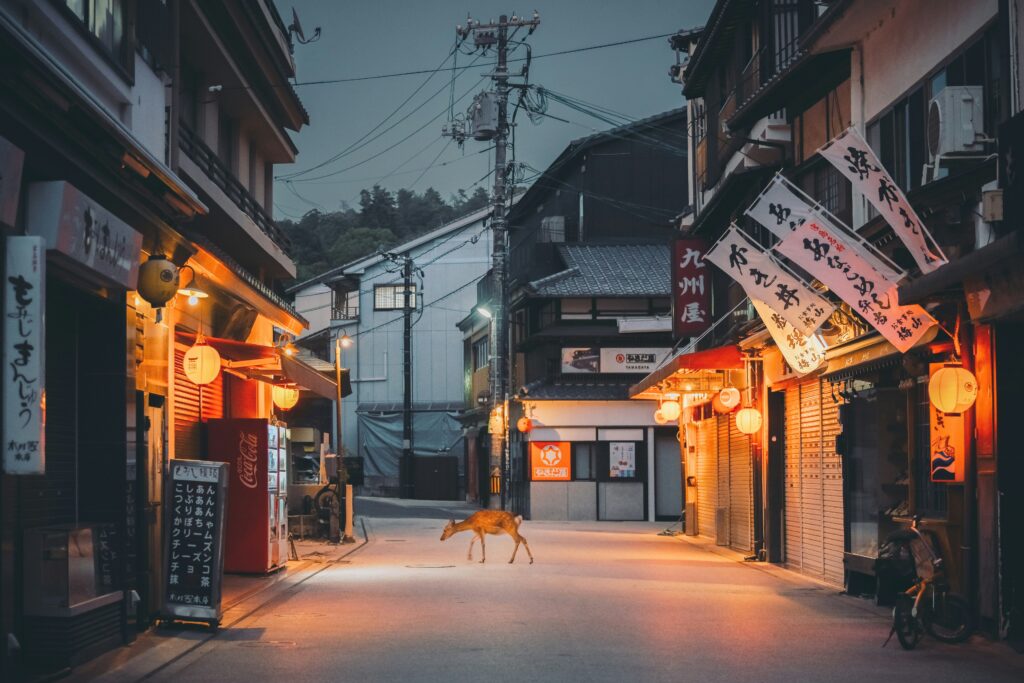
Street food is not automatically unsafe, but it rewards selective decision-making. A stall that is busy, cooking food to order, and serving it immediately can be a better choice than a quiet venue with poor turnover. The warning signs are food sitting out, lukewarm trays, questionable water use, and messy handling between cash and food.
If you already know a destination has a meaningful GI-risk profile, it also makes sense to have a treatment plan before you go. This overview of traveler’s diarrhea causes and treatments is a good starting point.
Simple hygiene rules that lower risk
Wash or sanitize your hands before eating
It sounds basic, but it is still one of the most reliable ways to reduce fecal-oral transmission. If you cannot wash with soap and water, use an alcohol-based hand sanitizer before meals and after transit-heavy days.
Do not rely on “I’ve traveled here before” logic
Past experience is not a guarantee of current safety. New restaurants, different water handling, seasonal changes, and small lapses in hygiene can change the risk even if you have visited the same destination before.
What to pack in case prevention fails
Even careful travelers can still get sick. That is why prevention and preparedness should go together. A basic plan often includes fluids, oral rehydration supplies, and a clear understanding of when symptoms are mild enough for self-care and when they need escalation.
It is also worth reviewing your travel kit before departure. This guide on preparing your travel health kit can help you round out the basics.
Plan Your Travel Medications Before You Go ➜
Frequently Asked Questions
Is bottled water always necessary?
Not in every destination, but when local water safety is uncertain, bottled or otherwise reliably treated water is the safer default. The same logic applies to ice and drinks made with local water.
Are salads always a bad idea?
No, but raw produce becomes riskier when you are unsure how it was washed or handled. Peeled fruit and fully cooked vegetables are often the lower-risk choice.
Does avoiding street food guarantee I will not get traveler’s diarrhea?
No. Traveler’s diarrhea can come from restaurants, buffets, hotels, or contaminated water as well. The goal is to reduce exposure, not assume one setting is automatically safe.
The bottom line
The best food and water rules are the ones you can actually follow in real travel conditions. Choose food that is cooked and served hot. Be careful with raw produce and unsafe water exposures. Use hand hygiene consistently. And travel with a plan in case symptoms still happen.
If you want help preparing for GI risk before an international trip, Runway Health can help you review your options through an online consultation before you leave.